 (Image via
Choosing a career path can feel like a huge decision, especially when you are just starting to think about life after high school. You hear a lot about following your passion, which is great advice. But what if you could find a career you love that also has a high chance of landing you a job right after graduation? That's where placement rates come in. A placement rate is simply the percentage of graduates from a specific program who find a job in their field within a certain time, usually six months to a year. Looking at these numbers can give you a major advantage. It helps you see which industries are growing and which skills are in high demand. This knowledge allows you to make an informed choice, combining your interests with the practical reality of the job market. Think of it as getting a sneak peek into your future success.
The World of Healthcare Support
When you think of healthcare, doctors and nurses probably come to mind first. But there is a massive team of professionals working behind the scenes and alongside them to keep everything running smoothly. Many of these healthcare support roles have fantastic placement rates because the demand for medical services is always growing. Fields like medical assisting, for example, are booming. Medical assistants help with both administrative and clinical tasks, from scheduling appointments to taking vital signs. The training is relatively short, and the skills you learn are immediately applicable, which is why graduates are snapped up by hospitals, clinics, and private practices.
Another in-demand role is the physical therapist assistant. Working under the direction of a physical therapist, these assistants help patients recover from injuries and illnesses. As the population ages, the need for rehabilitation services continues to rise, making this a very secure career choice. Similarly, diagnostic medical sonographers, who use ultrasound equipment to create images of the body, are also highly sought after. They play a crucial role in helping doctors diagnose medical conditions without invasive surgery. These healthcare support jobs offer a direct path to a stable and rewarding career, often with just a two-year degree.
The Ever-Growing Tech Sector
It's no secret that technology is everywhere, and the need for skilled tech professionals is exploding. This has led to some of the highest placement rates across any industry. One of the most talked-about fields is software development. Every app on your phone, every website you visit, and every video game you play was created by a software developer. Companies are constantly looking for talented developers to build new products and maintain existing ones. Whether you focus on web development, mobile apps, or enterprise software, the job opportunities are plentiful. Many coding bootcamps and degree programs boast near-perfect placement rates for their graduates.
Beyond coding, the tech world offers other secure paths. Cybersecurity is a major concern for businesses of all sizes. As more of our lives move online, the threat of cyberattacks grows, and so does the need for cybersecurity analysts to protect sensitive data. These professionals are like digital detectives, preventing and responding to security breaches. Another hot area is data science. Companies collect vast amounts of information, and data scientists are the ones who make sense of it all. They analyze trends and patterns to help businesses make smarter decisions. A strong foundation in math and computer science can open doors to this lucrative and fast-growing field, where graduates are in extremely high demand.
Skilled Trades and Engineering Technology
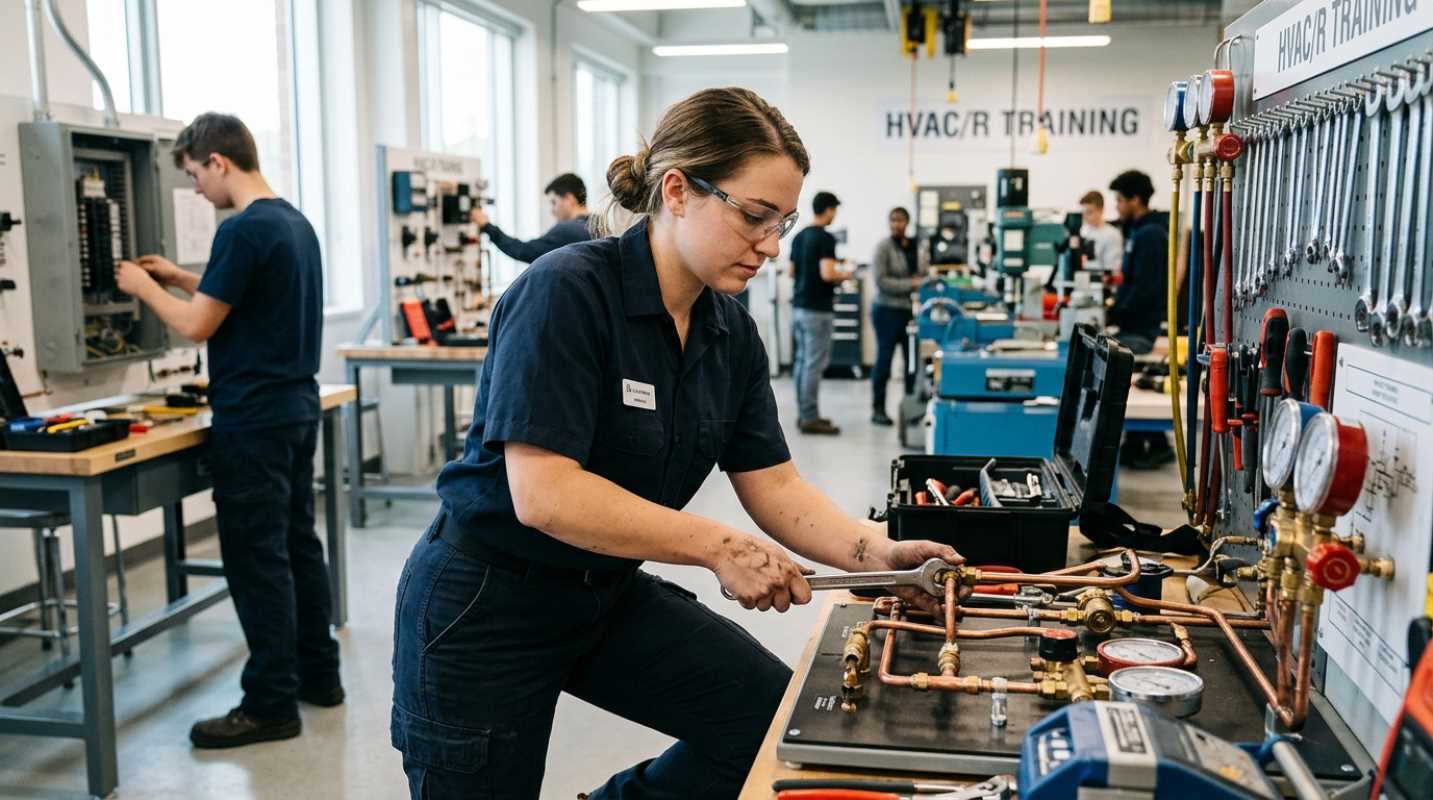
A four-year university degree isn't the only route to a successful and stable career. The skilled trades offer incredible opportunities with some of the best job placement rates you can find. There is a significant shortage of skilled workers like electricians, plumbers, and welders. These are jobs that cannot be outsourced or automated, ensuring a steady stream of work. Electricians, for instance, are essential for everything from building new homes to maintaining the power grid. Welders are critical in manufacturing, construction, and infrastructure projects. These careers often involve hands-on apprenticeships where you earn money while you learn, leading to a well-paying job without the burden of massive student debt.
Closely related are the fields of engineering technology. An engineering technician works with engineers to help design, develop, and test products and systems. They are the practical, hands-on problem-solvers who turn ideas into reality. For example, a mechanical engineering technician might help build and test a prototype for a new engine, while a civil engineering technician could assist in surveying land for a new bridge. These roles typically require a two-year associate's degree and provide a direct pathway into the engineering world. The demand is high because companies need skilled technicians to support their engineering teams and keep projects moving forward. The combination of practical skills and technical knowledge makes these graduates highly valuable in the job market.