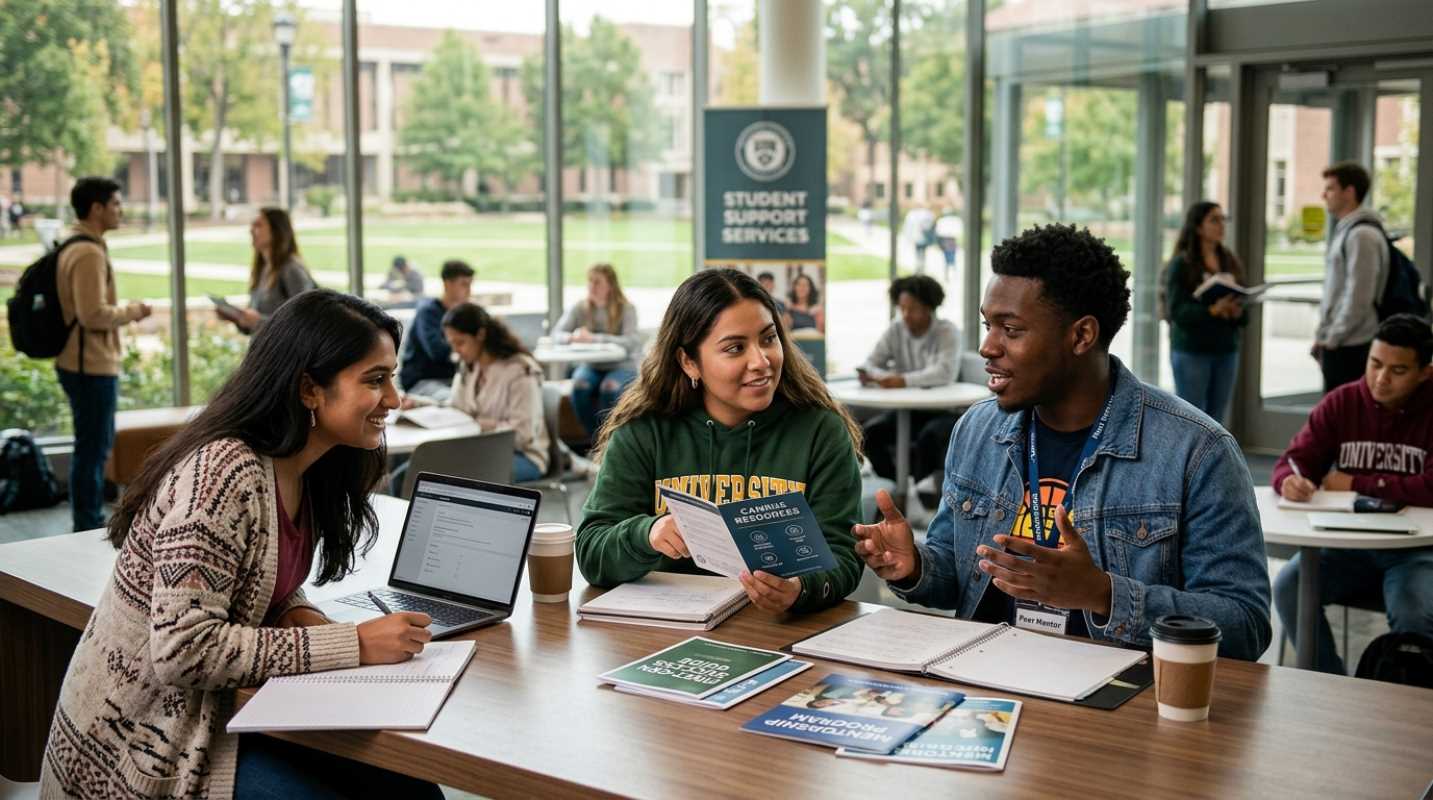
Remember walking across campus on your very first day of college? You probably noticed the manicured lawns, the historic buildings, and hundreds of students who seemed to know exactly where they were going. It's easy to assume everyone else received a secret instruction manual that you somehow missed.
If neither of your parents earned a four-year college degree, you're a first-generation college student. That title carries great personal pride, but it can also feel a lot when you're trying to figure out how everything works. So, what does the reality actually look like across the country?
You're part of a massive, dynamic community. First-generation students account for 54% of all U.S. undergraduates, representing over 8 million people enrolled in higher education.¹ You're not an exception or an afterthought. You are the majority.
Yet, the road is rarely seamless. First-gen students often juggle complex financial realities, family expectations, and an academic culture that feels completely unfamiliar. Recognizing those hurdles isn't about dwelling on difficulties. It's about backing yourself with the right tools, owning your path, and knowing beyond a doubt that you belong in every classroom you enter.
Understanding the Hidden Curriculum
Have you ever sat in a lecture hall and felt like the professor was speaking a different language? Higher education is filled with unspoken rules and institutional jargon that insiders take for granted. Academics call this the "hidden curriculum."
Terms like "bursar," "prerequisites," "syllabus," and "office hours" can feel like confusing puzzles. Like, many incoming students assume office hours are a place you go only when you're in trouble or failing a course. In reality, office hours are dedicated, free drop-in times for you to ask questions, chat about course topics, or get career guidance.
Talking to professors and academic advisors early changes everything. You don't need a complicated reason to stop by. A simple introduction works wonders: "Hi Professor, I'm in your Tuesday lecture and wanted to introduce myself and ask a quick question about the upcoming reading."
Advocating for yourself comes down to one simple mindset shift: asking questions shows engagement, not a lack of capability. When you run into a confusing bureaucratic rule or an unfamiliar academic term, speak up. Ask your advisor or a peer mentor to explain it step by step. You're learning a brand new system, and no one expects you to master it on day one.
Needed Campus Resources for First-Generation Students
Every college campus maintains a network of support services designed to help you succeed, but you have to know where to look. Getting connected during your first few weeks sets a strong foundation for your entire college journey.
Here are high-impact offices you should visit early in the semester
• TRIO Student Support Services - A federally funded program available on many campuses offering personalized academic advising, financial literacy training, and grant opportunities.
• First-Gen Success Centers - Central campus hubs that provide community spaces, tailored workshops, and dedicated staff focused specifically on first-gen experiences.
• Writing Centers and Math Labs - Free coaching services where trained tutors help you outline essays, review lab reports, and prep for exams. Top-performing students use these labs regularly.
• Financial Aid Office - Your primary stop for managing scholarships, federal loans, and work-study positions. They can also assist if your family's financial situation changes unexpectedly.
• Career Counseling Services - Staff here assist with resume reviews, mock interviews, and landing internships. Visit them during your freshman or sophomore year, not just right before graduation.
• Basic Needs Hubs and Emergency Micro-Grants - Many schools now maintain campus food pantries and emergency financial funds. Data shows that roughly 79% of students who pause their education cite sudden financial emergencies or basic needs issues as the primary trigger.² These hubs exist precisely to keep you on track when unexpected life expenses pop up.
Building a Support Network in College
College isn't a solo effort. Building a strong community of peers, mentors, and staff creates a safety net for those high-stress weeks leading up to midterms and finals.
Finding your community starts with leaning into structured campus programs
• Peer Mentorship Programs - Programs like the Kessler Scholars Collaborative pair incoming students with upperclassmen who have already handled the first-gen transition successfully.³ Talking with a peer mentor gives you practical, real-time advice on everything from picking professors to managing study schedules.
• Student Organizations - Joining a club tied to your cultural background, major, or personal hobbies builds genuine friendships outside the classroom.
Balancing home life with campus life is another major piece of the puzzle. Your family loves and supports you, but if they didn't attend college themselves, they might not understand why you can't come home every weekend or why you need hours of uninterrupted study time. Clear, loving communication about your schedule helps set realistic boundaries without creating strain.
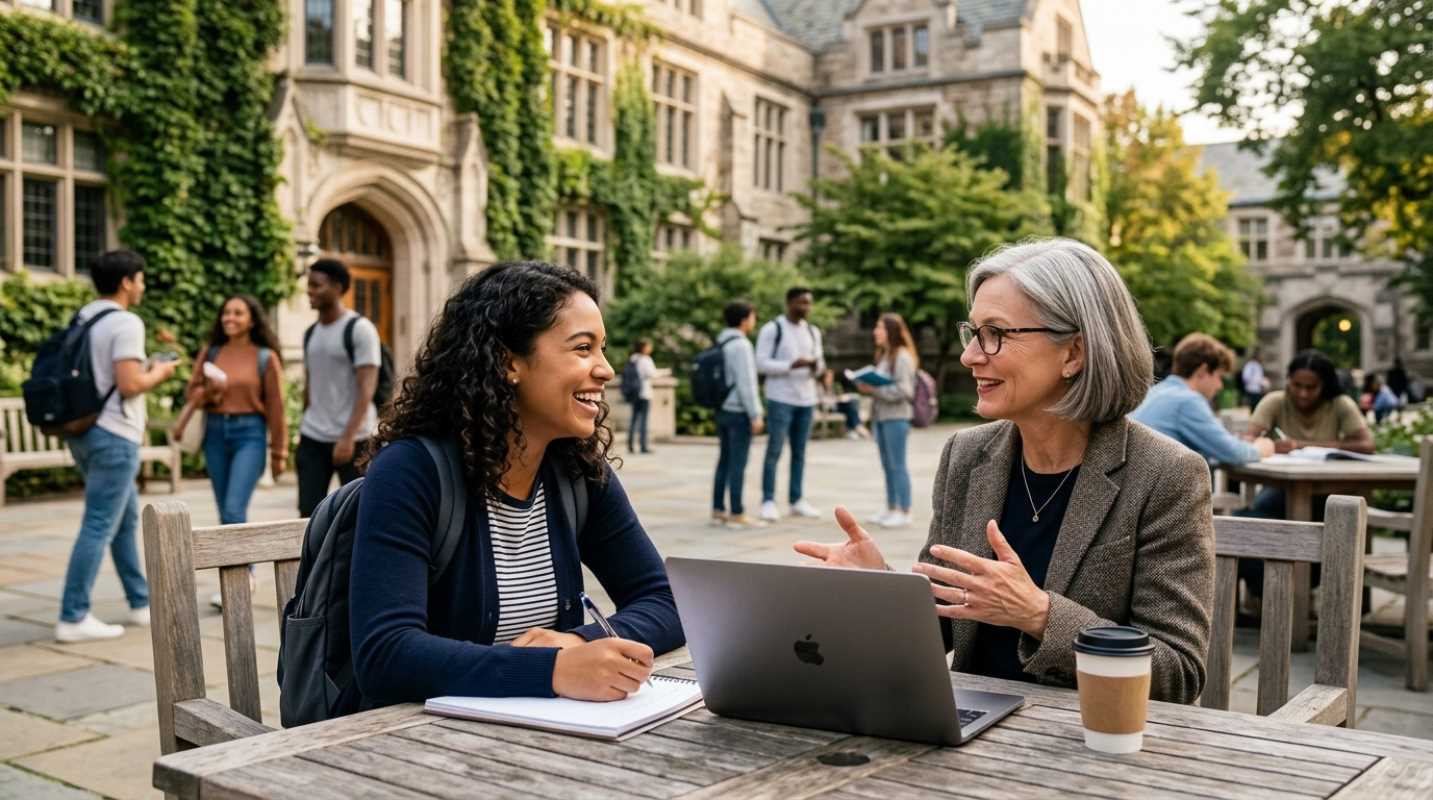
Don't forget to look for faculty mentors, too. Many professors were first-gen students themselves and display laptop stickers or office signs identifying their background. Reaching out to them during office hours can open doors to research projects, strong recommendation letters, and long-term career advice.
Beyond Graduation - Putting Your Resilience to Work
When job hunting or applying to graduate programs, it's easy to worry that you lack the insider professional networks of your peers. But your story is actually one of your greatest assets.
Navigating higher education as a first-generation student proves that you possess grit, resourcefulness, initiative, and adaptability. You learned how to decode complex systems independently. Employers actively seek team members who demonstrate that level of self-motivation and problem-solving ability.
When writing cover letters or interviewing for positions, don't hesitate to share how your background shaped your strong work ethic. You bring a distinct perspective and a proven track record of overcoming steep learning curves.
You're doing more than just earning a degree. You're opening new doors for yourself, your family, and your community. Take full advantage of the campus resources around you, build a support network that lifts you up, finish strong, and remember to reach back and guide the next generation coming up behind you.
Sources:
1. BestColleges
https://www.bestcolleges.com/research/first-generation-students-facts-statistics/
2. Complete College America
https://completecollege.org/our-approach/support/student-basic-needs-support/
3. Kessler Scholars Collaborative
https://kesslerscholars.org/wp-content/uploads/2025/08/Kessler-Scholars-Collaborative_-Annual-Report-2023-2024-FNL.pdf


.png)